




Menopause is defined as permanent cessation of menstruation for a period of more than one year due to loss of ovarian activity. Postmenopausal bleeding (PMB) is defined as any bleeding from the genital tract, more than 12 months after the last menstrual period in a woman who is not on any hormone replacement therapy (HRT).
It occurs in 10 percent of postmenopausal women over 55yrs of age. Vaginal bleeding is the presenting complaint in 90 percent of postmenopausal women with endometrial cancer.
All postmenopausal women with unexpected uterine bleeding should be evaluated for endometrial carcinoma since this potentially lethal disease will be the cause of bleeding in approximately 10 percent.
However, the most common cause of bleeding in these women in atrophy of the vaginal mucosa or endometrium. In the early menopausal years, endometrial hyperplasia, polyps, cervical cancer and submucosal fibroids have to be excluded.
Abnormal bleeding noted in the genital area is usually attributed to an intrauterine source, but may actually arise from the cervix, vagina, vulva, or Fallopian tubes or be related to ovarian pathology. The origin of bleeding can also involve non-gynaecologic sites such as the urethra, bladder, anus/rectum/bowel, or perineum.
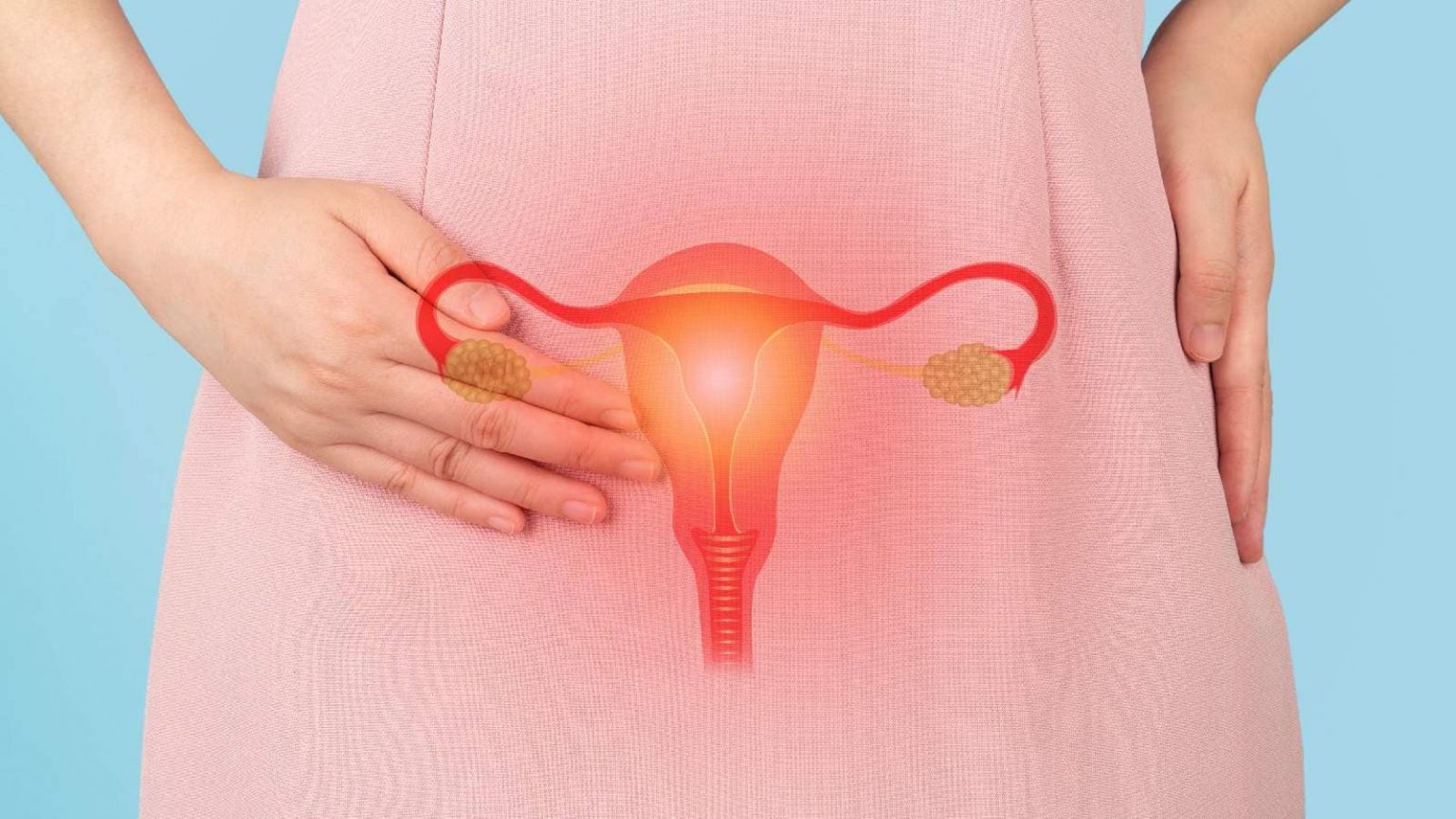
Know about postmenopausal problems. Image courtesy: Shutterstock
Causes of postmenopausal bleeding
1. Endometrial atrophy: Hypoestrogenism causes atrophy of endometrial and vaginal lining epithelium. Intracavitary friction results in microerosions in epithelium leading to spotting or bleeding.
2. Polyp: Endometrial polyp is the localized overgrowth of endometrial or cervical lining epithelium. It is attached by pedicle which can either be sessile (broad based) or pedunculated (on a narrow stalk).
3. Endometrial hyperplasia- the lining endometrium can abnormally proliferate due to unopposed estrogen effect and anovulation leading to sometimes irregular shedding which presents as bleeding.
4. Fibroid uterus: It is the most common tumour in reproductive age group, but in postmenopausal women, if it causes bleeding suddenly, it has to be evaluated to rule out any sarcomatous changes (cancerous change).
5. Endometritis or infection
6. Hormone replacement therapy
7. Bleeding from urethra or rectum has to be excluded
Diagnostic evaluation is very important to exclude endometrial cancer since age is a significant risk factor for this disorder. A thorough history of presenting complaints, duration since onset, medical history, Obesity, use of unopposed estrogen specific medical comorbidities (for example, polycystic ovary syndrome, type 2 diabetes mellitus, atypical glandular cells on screening cervical cytology),family history of any gynecologic malignancy and complete clinical examination is very crucial.
Pap smear and ultrasound pelvis are very important screening tests in evaluation of postmenopausal bleeding. Transvaginal ultrasound gives clear picture about endometrial thickness and other pelvic pathology. Normal endometrial thickness is 4mm or less in postmenopausal women. Anything beyond this value or persistence of bleeding with less thickness also, endometrial sampling is recommended. Endometrial sampling is a simple procedure done in OPD only, where we pass a thin catheter like into uterine cavity and take endometrial tissue for histopathological examination. Dilatation and curettage is done for women with medical comorbidities in OT under anasthesia, sometimes it will be both therapeutic (to clear excess endometrial lining) and diagnostic.
Hysteroscopy is a useful tool to visualize directly into uterine cavity to see if any polyp, fibroid, endometrial irregularities and guided biopsy.
It’s not normal to bleed postmenopause. Image courtesy: Shutterstock
Management of postmenopausal bleeding
* Endometrial malignancies are managed with hysterectomy, bilateral removal of the fallopian tubes, ovaries and lymph node dissection.
* Endometrial hyperplasia without atypia is best managed with a levonorgestral (LNG) IUS, if not oral progesterones.
* Polyps from cervix can be removed and sent for histopathology. Endometrial polyp can be best seen by hysteroscopy and then polypectomy.(histopathological examination is very important to exclude cancer).
* Atrophic endometritis can be treated with short course of systemic estrogens with progesterones. Sometimes course of antibiotics can be given if infection is suspected.
* Atrophic vagina by local non hormonal vaginal lubricants and moisturizers (first line) and if no response add topical estrogen creams for short duration.
In early stage, cervical cancer is treated with surgery followed by chemoradiation whereas in advanced one, chemoradation with palliative care.
* Gastrointestinal causes: External hemarroids can be managed either medical or surgically. Bleeding from proximal gastrointestinal tract may require colonoscopy to evaluate and manage.
* Urinary bladder and renal issues have to be evaluated by ultrasound KUB,if necessary cystoscopy to evaluate bladder pathology and manage accordingly.
* Women on anticoagulant therapy can also have bleeding, optimizing the INR values can solve the issue in postmenopausal women.
The overall prognosis of postmenopausal bleeding is favorable as majority are benign causes which can be appropriately managed, once diagnosed correctly. Perimenopausal women can be counselled or health educated about possible issues that can arise in postmenopausal age to meet doctor whenever problem arises and get evaluated.