





By using this site, you agree to the Privacy Policy and Terms of Use.
Accept
Forbes ukForbes uk
Notification Show More
Latest News
Blasting plastic with powerful lasers turns it into tiny diamonds
Science
Kelly Rizzo Shares “Surreal” Reaction to Husband Bob Saget’s 2022
Entertainment
5 signs your hair may be screaming for nourishment
Health
Apps used as alternatives to prison in US found to
Science
Here’s Everything That Really Happened Behind the Scenes at the
Entertainment
Aa
  • U.K News
  • Business
  • Money
  • Health
  • Entertainment
  • Science
  • Technology
  • Insider
Reading: Blasting plastic with powerful lasers turns it into tiny diamonds
Share
Aa
Forbes ukForbes uk
Search
  • U.K News
  • Business
  • Money
  • Health
  • Entertainment
  • Science
  • Technology
  • Insider
Have an existing account? Sign In
Follow US
Forbes uk > Blog > Science > Blasting plastic with powerful lasers turns it into tiny diamonds
Science

Blasting plastic with powerful lasers turns it into tiny diamonds

Jake
Last updated: 2025/09/13 at 5:56 PM
Jake Published September 13, 2025
Share
SHARE

Simple plastics can be turned into tiny diamonds with a pulse of laser light, and a similar process may occur inside giant planets, which could explain some of their mysteries

Physics 2 September 2025

By Leah Crane
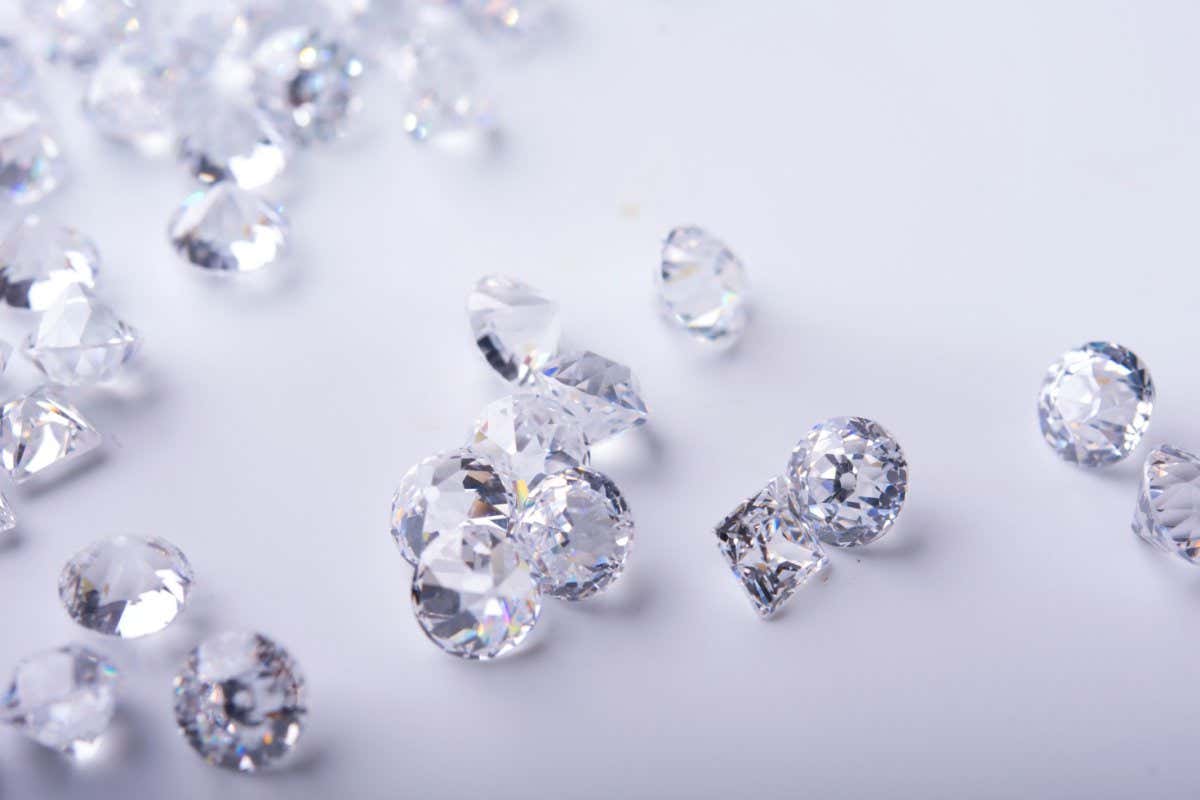
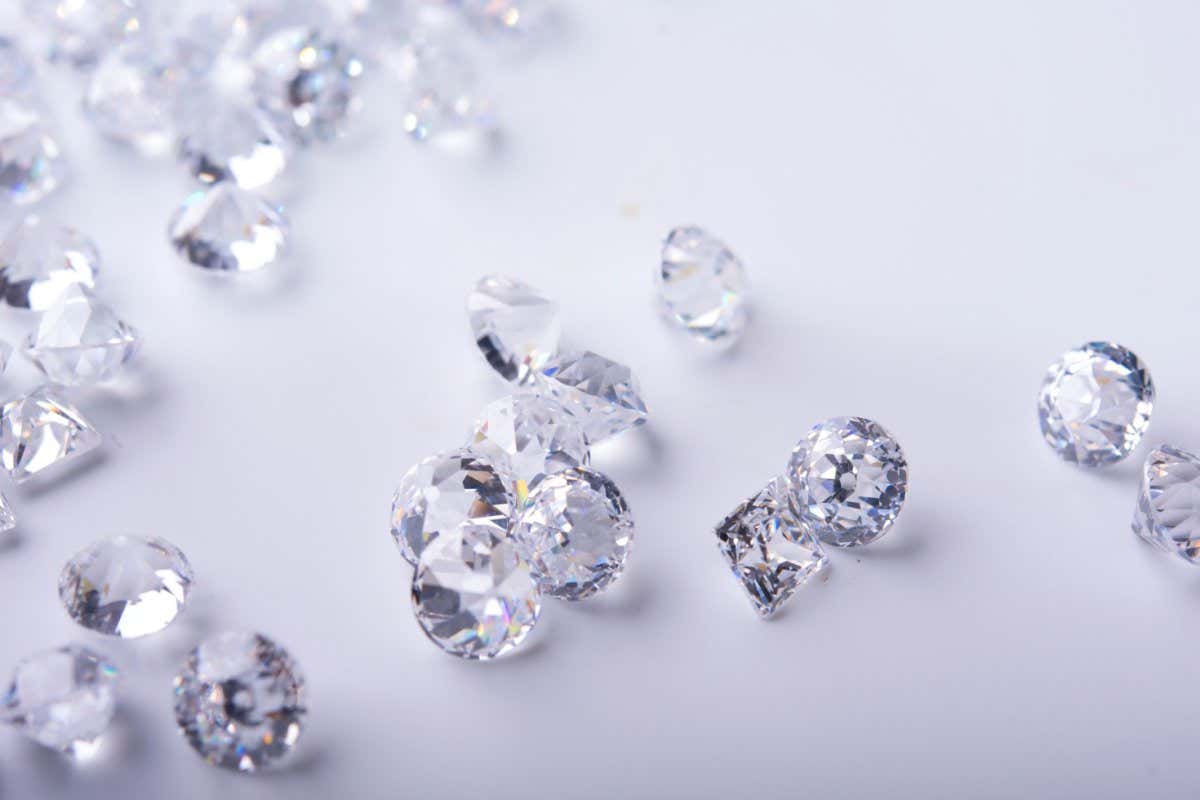
Diamond with tweezers and magnifier.Gemstone Beauty ; Shutterstock ID 1928999420; purchase_order: -; job: -; client: -; other: -

Small diamonds can be created with a powerful laser blast

Shutterstock/tonkid

Blasting plastic with powerful lasers can create tiny diamonds. Similar processes may occur at the high temperatures and pressures found within planets, which could help explain why Uranus and Neptune are so strange.

Researchers have been able to create nanodiamonds before by shining lasers at a mixture of carbon and hydrogen, but it required extraordinarily high pressures. Siegfried Glenzer at SLAC National Accelerator Laboratory in California and his colleagues found that by using a simple plastic called PET – commonly used to make bottles and other containers – which contains carbon, hydrogen and oxygen, they could make diamonds in much less extreme conditions.

When they fired a powerful laser at the plastic, it heated up to temperatures between 3200°C and 5800°C and the shock waves generated by the laser pulse brought the plastic to pressures upwards of 72 gigapascals – equal to one-fifth the pressure in Earth’s core. This separated the hydrogen and oxygen from the carbon, leaving behind tiny diamonds a few nanometres across and a form of water called superionic water, which conducts electricity more easily than regular water.

Advertisement

This happened at lower pressures than in previous experiments using other materials, says Glenzer, and like PET, the interiors of giant planets contain oxygen as well as carbon and hydrogen.

“What that means is that diamonds are probably everywhere,” says Glenzer. “If it happens at lower pressures than previously seen, it means they’re inside Uranus, inside Neptune, inside some moons such as Titan, which contain hydrocarbons.”

Such diamonds forming in Neptune’s mantle and then sinking towards its core, generating friction and heat in the process, could explain why the planet is unexpectedly hot. And within Uranus, pockets of superionic water left over from diamond formation could be conducting electric currents, which might have something to do with the strange shape of its magnetic field.

One next step is to include this process in models of those worlds and see if it can account for some of their many mysteries, says Glenzer. Another is to collect the nanodiamonds after they form. Similar materials are already used in industrial abrasive processes and could be useful in many scientific applications, but are generally produced by detonating explosives.

“In the other experiments, where the necessary pressure was much higher, the conditions were so extreme and dynamic that the diamonds ended up falling apart,” says Glenzer. “Now that we’ve found a way to make the diamonds at lower pressure, we may have a chance to actually harvest the diamonds.”

Journal reference: Science Advances, DOI: 10.1126/sciadv.abo0617

More on these topics:

You Might Also Like

Kelly Rizzo Shares “Surreal” Reaction to Husband Bob Saget’s 2022

Apps used as alternatives to prison in US found to

Making Australia’s native animals poisonous could curb feral cats

Inside Ben Stiller and Christine Taylor’s Private Family Life With

TAGGED: art, moon, Science
Jake September 13, 2025
Share this Article
Facebook Twitter Email Print
Leave a comment

Click here to cancel reply.

Please Login to Comment.

Follow US

Find US on Social Medias
Facebook Like
Twitter Follow
Pinterest Pin
Youtube Subscribe
newsletter featurednewsletter featured

POST YOUR ARTICLE

Submit Your Request for Home page Feature Guest Post!

Popular News
U.K News

Terrifying moment hikers are stranded on mountain as wildfire rages

Jake Jake September 13, 2025
The big squeeze continues as pay tumbles 3
Zendaya Is Nearly Brought To Tears In Heartfelt Emmys Speech
Biden to launch new support for U
Teachers’ Day 2022: Mental health tips for every teacher battling
- Advertisement -
Ad imageAd image
Global Coronavirus Cases

Confirmed

609.12M

Death

6.52M

More Information:Covid-19 Statistics

Categories

  • ES Money
  • U.K News
  • The Escapist
  • Insider
  • Science
  • Technology
  • LifeStyle
  • Marketing

About US

We influence 20 million users and is the number one business and technology news network on the planet. For Post an Article Email! post@forbese.co.uk
Quick Link
  • My Bookmark
  • Interests
  • Contact Us
  • Blog Index
Top Categories
  • U.K News
  • Business
  • Money
  • Health
  • Entertainment
  • Science
  • Technology
  • Insider

Subscribe US

Subscribe to our newsletter to get our newest articles instantly!

© FORBESE.CO.UK. All Rights Reserved.

Removed from reading list

Undo
Welcome Back!

Sign in to your account

Lost your password?